
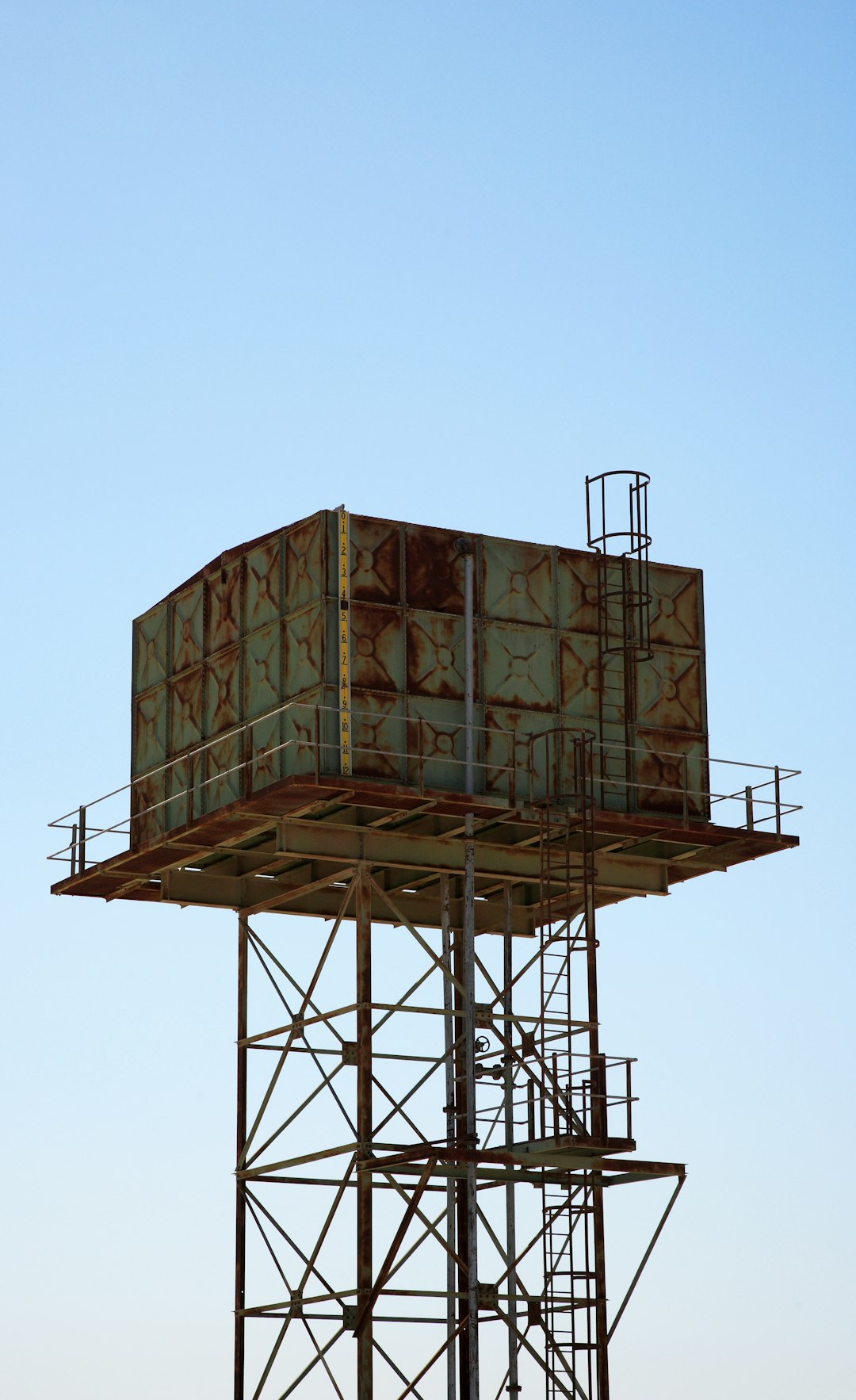
water tank refurbishment is often treated as a straightforward maintenance task, but mistakes made at the planning stage can create long-term problems for water quality, building operations, and overall cost. Whether you are responsible for a residential block, commercial premises, school, or industrial site, the quality of the refurbishment process matters just as much as the quality of the finished tank. A well-run project protects the asset, limits disruption, and extends service life. A rushed one can leave hidden defects, compliance gaps, and expensive remedial work behind.
1. Starting Without a Proper Condition Assessment
One of the most common mistakes in water tank refurbishment is assuming the visible issue is the whole issue. A leaking joint, stained internal surface, or damaged lid may be obvious, but those symptoms do not explain the full condition of the tank. Without a proper assessment, it is easy to specify repairs that are too limited, too late, or aimed at the wrong problem.
A meaningful condition survey should look beyond superficial wear. Internal coatings, structural integrity, insulation, access points, valves, overflows, warning pipes, screens, and covers all need review. So does the hygiene condition of the tank, especially where stored water serves a building with strict health requirements.
Skipping this stage often leads to avoidable outcomes:
- Repairing a symptom rather than the root cause
- Missing corrosion, failed joints, or substrate damage behind liners or coatings
- Underestimating the scale of internal cleaning and disinfection needed
- Choosing refurbishment when replacement is actually the better option
Before any specification is signed off, ask for a clear report on condition, risks, and recommended scope. If a contractor cannot explain why each element of the work is needed, that is usually a warning sign.
2. Choosing the Wrong Scope of Work or Unsuitable Materials
Not every tank should be refurbished in the same way. Some need targeted repairs. Others need full internal relining, lid upgrades, insulation improvements, or sectional repairs. In some cases, replacement is more sensible than repeatedly patching a tank that has reached the end of its practical life.
This is where owners and facilities teams can make costly decisions by focusing only on the nearest visible defect. For example, a coating system may look like the cheapest route, but if the substrate is unstable or the environment is unsuitable, performance can suffer. Likewise, using materials that are not appropriate for potable water environments can create obvious compliance concerns.
If you are reviewing options for water tank refurbishment, insist on a specification that clearly sets out materials, preparation methods, hygiene controls, and expected outcomes rather than relying on generic promises of a quick repair.
A useful way to frame the decision is to compare the likely route against the real condition of the asset:
| Condition of Tank | Typical Best Approach | Common Mistake |
|---|---|---|
| Minor isolated defects, sound structure | Targeted repair and cleaning | Over-specifying work without evidence |
| Worn internal surfaces, otherwise serviceable tank | Refurbishment with appropriate lining or coating system | Using incompatible or poorly specified materials |
| Extensive corrosion, structural weakness, repeated failures | Planned replacement | Trying to prolong life with repeated short-term repairs |
Material choice should always reflect the tank type, stored water use, environment, and expected service life. A good contractor will explain preparation standards, curing requirements, access limitations, and what maintenance the finished system will still need.
3. Ignoring Access, Downtime, and Compliance Requirements
Even technically sound repair work can become a problem if the practical realities are ignored. Water tanks are rarely easy assets to work on. Access may be restricted, service continuity may be critical, and work may involve hygiene protocols, confined-space considerations, temporary water arrangements, and site-specific safety procedures.
A common mistake is treating refurbishment as a simple maintenance visit rather than a planned project. That leads to poor coordination, unexpected downtime, and preventable disruption for occupants or operations.
At minimum, planning should cover:
- Access and isolation: Can the tank be safely taken offline, drained, cleaned, and inspected without affecting the building beyond what has been agreed?
- Water hygiene controls: What steps will be taken to prevent contamination during works and ensure proper cleaning and disinfection before recommissioning?
- Safety procedures: Are there clear arrangements for permits, confined spaces, working at height, and site supervision where relevant?
- Documentation: Will the client receive records of work completed, materials used, testing, and any maintenance recommendations?
Compliance is not an afterthought in this kind of work. Stored water assets sit within a wider duty of care to maintain clean, safe, and properly protected systems. If the contractor does not discuss hygiene, access integrity, lid condition, screening, or post-work verification, the project may be missing essentials.
This is also the stage where communication matters. Facilities teams, residents, tenants, caretakers, and site managers all benefit from clear notice of shutdown periods, expected noise, access needs, and recommissioning times. Good refurbishment work is not only technically correct; it is professionally managed from start to finish.
4. Prioritising the Lowest Quote Over Long-Term Value
Cost matters, but choosing purely on price is one of the most damaging mistakes in water tank refurbishment. A cheaper quote may exclude preparation, cleaning, repairs to associated components, insulation upgrades, or proper finishing detail. Those exclusions do not remove the need for the work; they simply move the cost later.
The better question is not, “Who is cheapest?” but, “What outcome am I actually buying?” A thorough proposal should define the scope clearly, identify limitations honestly, and explain what is included in mobilisation, repair, hygiene measures, materials, and handover. Vague quotes often produce disputes, variations, or disappointing results.
When comparing providers, look for the signs of durable value:
- A detailed survey or inspection before final pricing
- A specification matched to the tank’s age, material, and condition
- Clear explanation of whether refurbishment or replacement is the wiser route
- Evidence of a structured method for cleaning, repair, and recommissioning
- Post-project documentation and sensible maintenance advice
For clients seeking specialist Water Tank Refurbishment & Replacement | Water Tank Repair services, the strongest contractors are usually the ones willing to challenge assumptions, define the scope properly, and recommend replacement when refurbishment no longer offers sound value. That kind of honesty protects budgets better than a low quote that postpones a bigger problem.
A Practical Pre-Start Checklist
Before approving the work, make sure you can answer yes to the following:
- Has the tank been properly assessed rather than judged on appearance alone?
- Is the scope of work specific to the actual condition of the tank?
- Are materials suitable for the tank environment and intended water use?
- Have access, isolation, and temporary service arrangements been planned?
- Are cleaning, disinfection, and recommissioning steps clearly included?
- Will you receive records and recommendations at completion?
Conclusion
The biggest mistakes in water tank refurbishment rarely come from a single dramatic error. More often, they come from assumptions: assuming the tank only needs a patch repair, assuming any coating will do, assuming downtime can be managed later, or assuming the cheapest quote offers the best value. In reality, successful refurbishment depends on careful assessment, the right scope, suitable materials, disciplined hygiene and safety procedures, and a clear view of lifecycle cost.
Handled properly, water tank refurbishment can restore performance, improve protection, and delay unnecessary replacement. Handled badly, it can create ongoing risk and recurring expense. For owners and managers responsible for stored water systems, the safest approach is simple: treat the project as a technical asset decision, not a cosmetic one, and insist on workmanship and planning that will still make sense years after the job is finished.
——————-
Check out more on water tank refurbishment contact us anytime:
Nationwide Water Solutions Ltd
watertank.uk.com
0345 505 2540
At Nationwide Water Solutions Ltd, we specialise in professional water tank refurbishment, repair and installation services for commercial, industrial and domestic clients across the UK. With extensive experience in managing potable water systems, process tanks and underground storage solutions, we deliver tailored services designed to restore performance, extend lifespan and ensure full compliance with current water regulations. Our team of skilled engineers works with a wide range of tank types, offering practical and cost-effective solutions for even the most complex projects.
We are recognised for our innovative approach to tank refurbishment, including the development of advanced lining systems that provide durable, corrosion-resistant protection for ageing tanks. These systems help eliminate leaks, improve hygiene and avoid the disruption and cost associated with full tank replacement. Our services also include epoxy coatings, insulation, sectional tank installation and complete system upgrades, all delivered with a focus on quality, efficiency and long-term reliability.
Operating nationwide, we pride ourselves on delivering a responsive and dependable service from initial survey through to completion. We offer free site inspections and detailed reports to identify any issues and recommend the most effective solution, ensuring our clients receive clear guidance and value for money. Whether it’s a refurbishment project or a full installation, our commitment to safety, performance and customer satisfaction remains at the core of everything we do.
